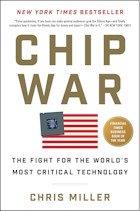
Chip War: The Fight for the World's Most Critical Technology
Initially promoted by the U.S. military after World War II to stay ahead of the Soviets in the arms race, semiconductors later became commercialized and embedded in our everyday gadgets. The journey of chip technology is truly fascinating. While innovation and advancements have surged, so have the choke points. This technology has driven globalization and progress, yet it’s unsettling to realize how few companies control such a critical industry.
The invention of the transistor by physicists like Shockley, Bardeen, and Brattain, and its commercialization by pioneers like Noyce, Moore, Kilby, and others, is a remarkable story. Perfecting the manufacturing process for such a complex product was no small feat, and it wasn’t just one country that contributed to its advancement. How Japan overtook the U.S. in the production of DRAMs and how South Korea caught up quickly and overtook Japan is very exciting to read about. The global effort behind semiconductor innovation is incredible.
Continue reading© 2026 Sindhuja Cheema Enzinger. All Rights Reserved.